Paved driveway apron meeting a garage on a Minnesota property

Garage Approach Repair · Minnesota

Fix the Rough Transition Into Your Garage

The last few feet before the garage door take more punishment than any other part of a driveway: tires turning, snow piled, water running toward the door. When that section settles, every trip in and out reminds you.

Find the cause first

Settling, water, base compaction, and frost movement all look similar from the driver's seat but need different repairs.

Localized where possible

If the problem is confined to the apron, we scope the apron — not the whole driveway.

Water routed away from the door

The transition is evaluated with the grade around it, because water is usually part of the story.

Clear written scope

You get the repair described in writing, including what is not included.

How the work is decided

01Common causes of a failing approach

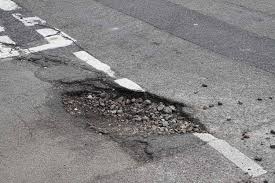
The approach is often backfilled at the end of a build, and backfill that was not compacted to the same standard as the rest of the drive will settle over time. That leaves a low spot or a lip right where the tires cross.

Water makes it worse. If roof runoff, a downspout, or the grade of the driveway pushes water toward the door, the base softens and the pavement loses support. Heavy loads at the apron, frost movement in Minnesota soils, and original grading that never drained well all contribute.

02How we assess the transition

We measure the drop or the rise, check whether the pavement sounds hollow when tapped, and look at what happens to water at the door. We also look at the surrounding slab: if cracking runs from the apron into the body of the driveway, the repair is bigger than the apron.

Photographs from before the problem appeared help, so send anything you have. We also ask what the garage floor does in a heavy rain, because that tells us more about drainage than the driveway surface does.

03Localized repair options

Where the problem is limited to the approach, the usual repair is to remove that section, correct the base, re-establish the grade so it meets the garage floor properly, and repave the apron. That restores a smooth transition and lets water leave the door.

For a smaller drop, ramping or milling the lip can be an option. Which one applies depends on the height difference, the base condition, and the door clearance — all of which we check before recommending anything.

04Drainage at the door

Pavement should fall away from the garage, not toward it. Downspouts should discharge past the apron. If the driveway cannot shed water because the surrounding grade is wrong, repaving the apron alone will not keep water out of the door.

When that is the case we will say so, and describe what needs to change — sometimes a small amount of regrading, sometimes a different repair. We do not promise to solve water problems that come from outside the pavement.

05When broader replacement makes sense

If the base is failing across the driveway, or cracking radiates well past the apron, patching the transition only buys a season. In that case the estimate will include the larger scope so you can compare the two options directly.

Structural garage and foundation issues are outside our scope. If what we find is a settling foundation, a failing sill, or a drainage problem that belongs to the building, we will tell you and point you toward the right trade instead of paving over it.

Project photos

Our own project photography. No stock images are presented as our work.

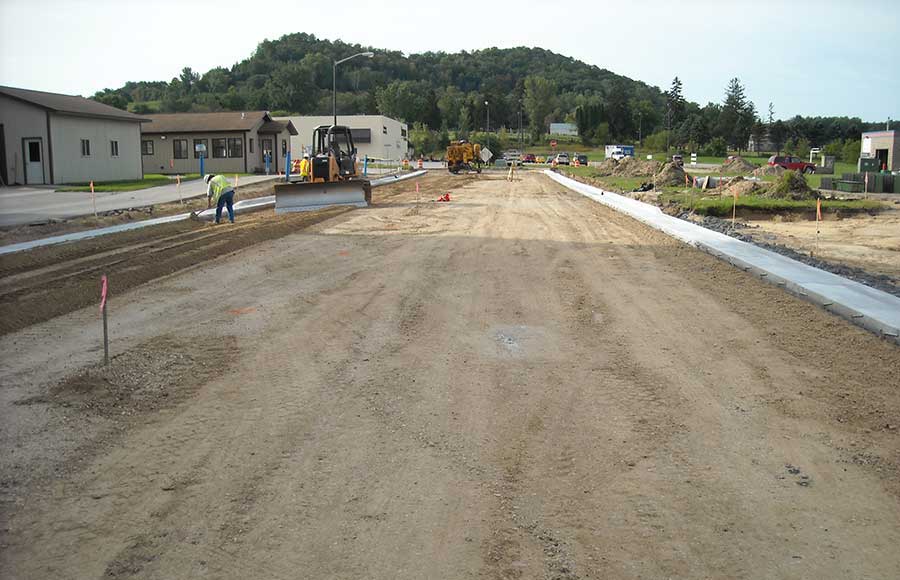
Freshly paved asphalt surface on a completed Minnesota drivewayClose view of asphalt pavement during repair workPaved residential street and driveways in Minnesota

How it works

  1. 01

    Submit Your Project

    Send the address, the service and a few details. Photos help, but they are optional.

  2. 02

    Site Assessment

    We look at the pavement, the base, drainage and transitions. This is what the estimate is built on.

  3. 03

    Written Estimate

    You receive a written scope describing what is included, what is excluded, and the price.

  4. 04

    Scheduling

    If you accept, the work is scheduled when site conditions, materials and crew availability allow.

Transition repairs need dry pavement and workable temperatures. Fall openings fill quickly, so an assessment now is the practical first step for either a fall repair or a spring start.

Questions

Where we work

We work across the Twin Cities metro and surrounding Minnesota communities, including:

St. Paul · Minneapolis · West St. Paul · South St. Paul · North St. Paul · Maplewood · Roseville · Little Canada · Mendota Heights · Inver Grove Heights · Eagan · Woodbury · Oakdale · Cottage Grove · Newport · St. Paul Park · Lake Elmo · Stillwater

See all service areas

Request an estimate

Request an Approach Assessment

Send the details below and we will arrange an assessment. A written estimate follows the assessment — not a phone number.

Photos (optional, up to 5)

An assessment comes before any written estimate. Submitting a request does not schedule work.