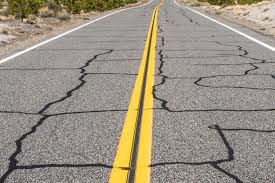
Asphalt pavement surface photographed during a repair assessment

Driveway Drainage · Minnesota

Water Collecting on Your Driveway? Start With a Site Assessment

A puddle that sits for a day after rain is not just cosmetic. Water finds cracks, softens the base under them, and freezes into heaving that breaks the surface apart. The fix depends on why the water stops there.

Cause before cure

A low spot, a settled section, and a blocked outlet all pond water — and each needs different work.

Grading assessed

The pavement is judged against the ground around it, including where runoff is supposed to go.

Options compared

Localized repair, resurfacing, or rebuild — presented with what each one actually solves.

Honest limits

If the water comes from off-site or from the building, we will say so instead of paving over it.

How the work is decided

01Common causes of standing water

The most frequent cause is a low spot created by settlement — often where a utility trench was backfilled, or at the apron where the base was never compacted to match the rest of the drive. Water collects because there is nowhere lower to go.

Other causes look similar from the surface: a driveway that was graded flat to begin with, a surface that has lost its cross-slope, a blocked or undersized ditch or culvert, or runoff arriving from a neighbour, a roof, or a hillside above the property.

02Grading assessment

We look at the whole path water takes: where it enters the property, how it crosses the pavement, and where it is meant to leave. That often means looking at the lawn, the swale, and the street — not only the driveway.

We also check the base under the low spot. If it has softened, the surface will keep settling no matter how many times it is patched, and that changes the recommendation entirely.

03Repair options

Where a single low area is the problem and the base is sound, a localized repair can re-establish the slope: remove the affected pavement, correct the base, and replace it so water drains off. Crack sealing around the repair protects the joint.

Where the surface has settled across a larger area but the base is still holding, resurfacing with proper shaping can restore the cross-slope. Where the base has failed, patching is temporary and rebuilding the section is the durable answer.

04Replacement considerations

If the driveway was originally built with insufficient fall, no amount of surface repair will fix it — the pavement has to be rebuilt to a corrected grade, sometimes with a swale, berm, or a different outlet at the low end.

That is a bigger project, and it is worth doing once rather than repairing the same spot every couple of years. The estimate will show both paths so you can see what each one solves.

05Drainage coordination

Some water problems are not pavement problems. Roof runoff routed onto the drive, a downspout discharging at the apron, a grading issue in the yard, or a municipal ditch that does not flow can all put water where it should not be.

Where that is the case, we will describe what we see and what needs to change. What we will not do is imply that sealcoating fixes drainage, or promise that new pavement alone will solve water arriving from somewhere else.

Project photos

Our own project photography. No stock images are presented as our work.

Paved driveway apron meeting a garage on a Minnesota propertyAsphalt road surface on a Minnesota projectFreshly paved asphalt surface on a completed Minnesota driveway

How it works

  1. 01

    Submit Your Project

    Send the address, the service and a few details. Photos help, but they are optional.

  2. 02

    Site Assessment

    We look at the pavement, the base, drainage and transitions. This is what the estimate is built on.

  3. 03

    Written Estimate

    You receive a written scope describing what is included, what is excluded, and the price.

  4. 04

    Scheduling

    If you accept, the work is scheduled when site conditions, materials and crew availability allow.

Drainage repairs are best assessed after a rain, when the water path is visible. Late-season work depends on temperatures and dry conditions; a fall assessment can still set up a spring repair.

Questions

Where we work

We work across the Twin Cities metro and surrounding Minnesota communities, including:

St. Paul · Minneapolis · West St. Paul · South St. Paul · North St. Paul · Maplewood · Roseville · Little Canada · Mendota Heights · Inver Grove Heights · Eagan · Woodbury · Oakdale · Cottage Grove · Newport · St. Paul Park · Lake Elmo · Stillwater

See all service areas

Request an estimate

Have My Driveway Evaluated

Send the details below and we will arrange an assessment. A written estimate follows the assessment — not a phone number.

Photos (optional, up to 5)

An assessment comes before any written estimate. Submitting a request does not schedule work.